Transfuge ou converti? Überläufer oder Konvertit? Tránsfuga o convertido? Casadh-cóta nó tiontú?
Well, it’s been a long time since the last post, but activities have continued. Last year I was delighted to have had an article accepted by Spin Off magazine (Fall issue) on Turkish Spindles. I wrote about preferring natural wooden spindles to 3D-printed ones and I never thought I’d be turned…
A little over a year ago, a new yarn store opened locally and I was alerted to the opening by a friend’s post on Facebook. So of I trotted to Skein Machine… I may be posting an updated article I wrote on the store soon, so rather than repeat things I’ll just mention that on my way out, I noticed a wooden drop spindle in the glass counter. Naturally I had to ask for a close-up look. This started a conversation about spindles and the fact that Matt (co-owner) was developing 3D-printed Turkish spindles.
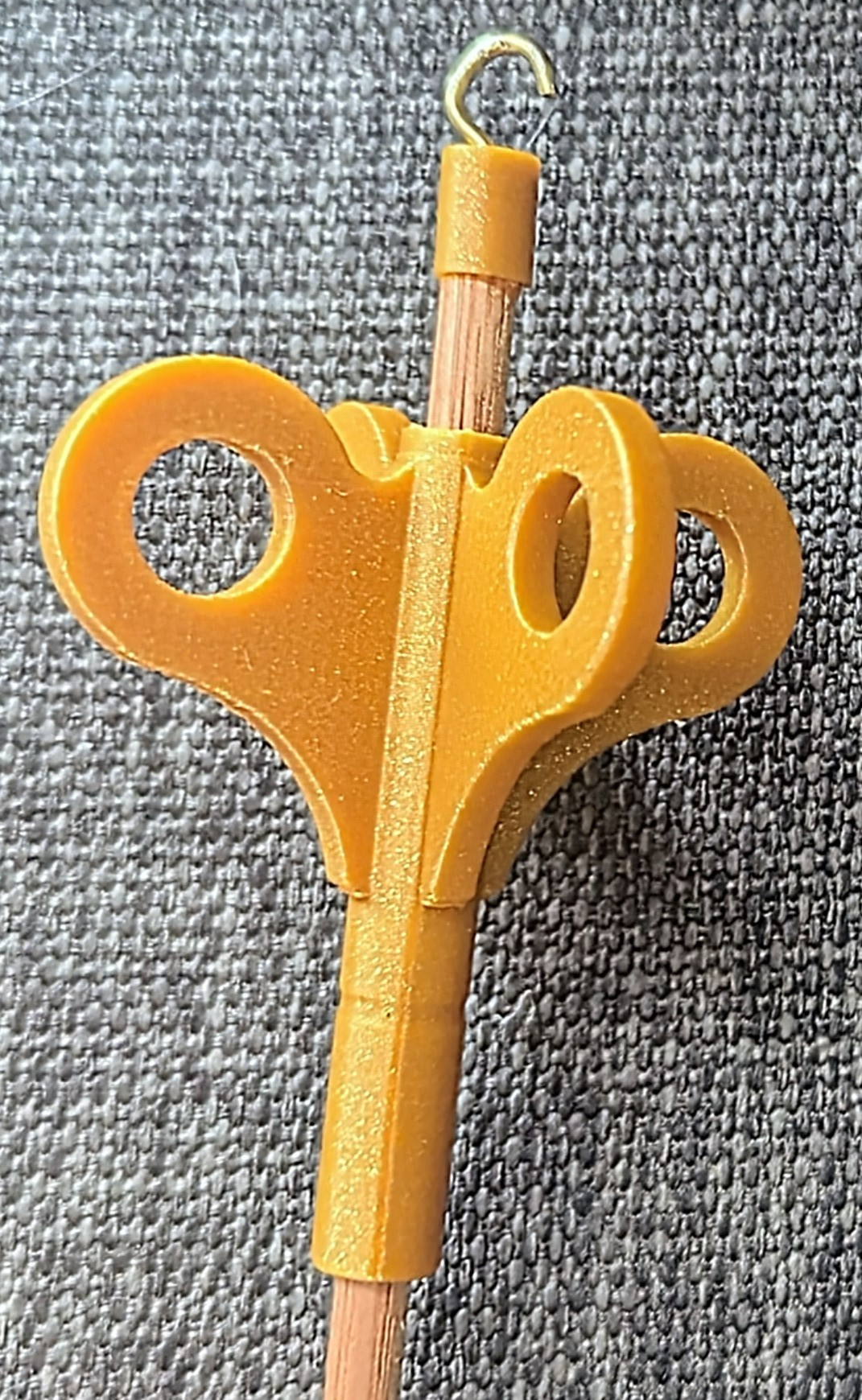
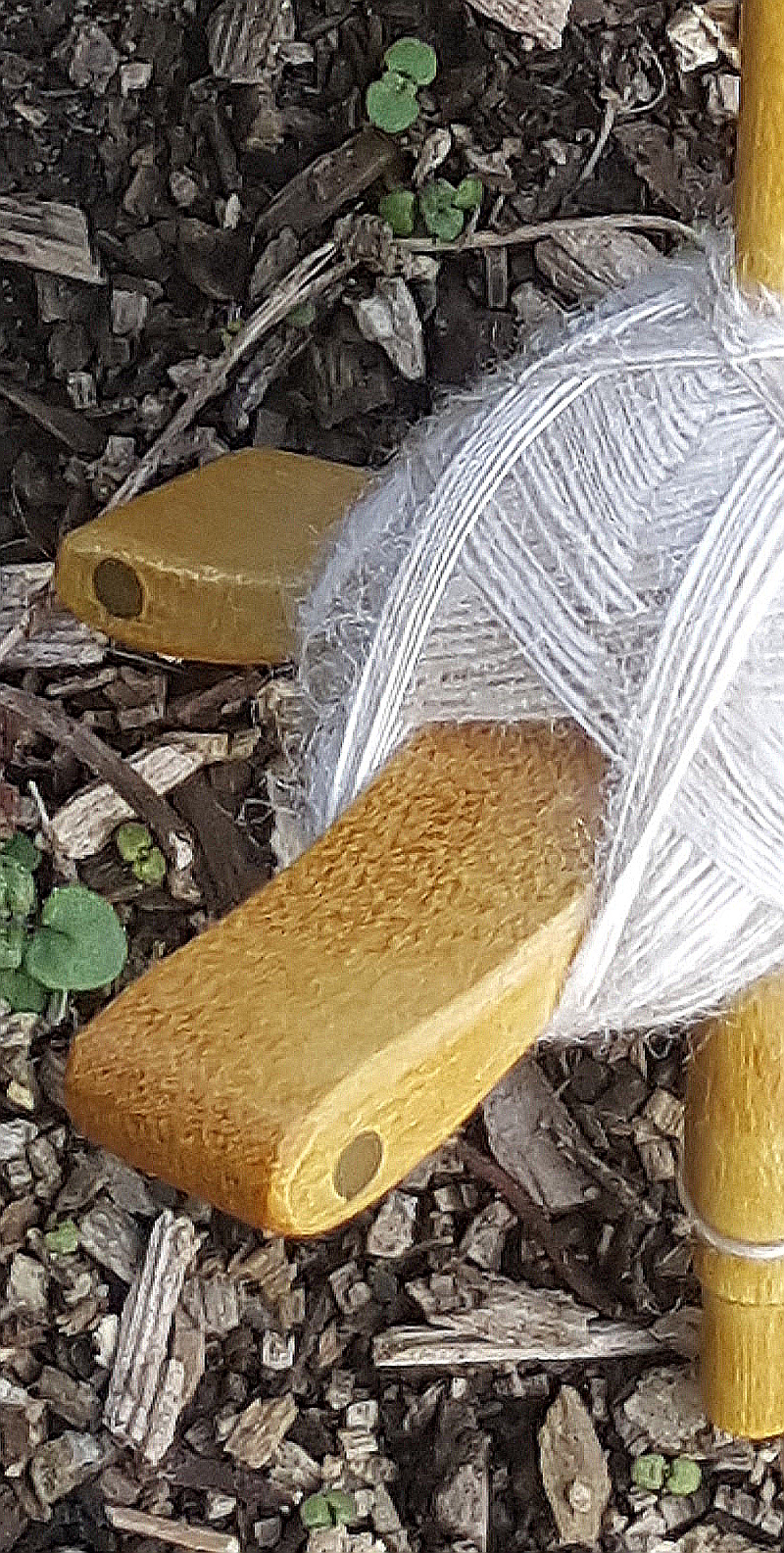
Long story short, I was more than willing to test these out and provide constructive feedback. Why the change of heart? Matt explained that these were made from PLA: plant-based “plastic”. Aha! eco-friendly stuff that Star Trek would have been using so early on in the Captain’s log. While the waste can’t currently go in the green bin, I reckon that pretty soon local governments will have to set up dedicated recycling programs (it seems that the PLA requires a certain level of humidity and the right bacteria to decompose).
OK, so back to the converted… We bought a 3d-printer and naturally the first thing I wanted to try was a drop spindle. Disaster. Tried a few more times. Since then I’ve managed to produce various designs in different weights and colours and use the slightly-less-than-perfect ones myself. There’s a lot of fun to be had in thinking up new and quirky designs – all of which have to be well-balanced.

While I never intended my blog to be commercial, I’ll just say that I don’t get paid by others for advertising (other than accepting ads on the website to keep my subscription rates down). Why am I telling you this? Because I started selling the spindles (and other crafty items) at Skein Machine and also at the Guild . At this point I have no aim to sell them directly; I can only imagine the work that would entail.
And Spin Off? The staff I had contact with were such a pleasure to work with – at all times they were so positive and constructive!
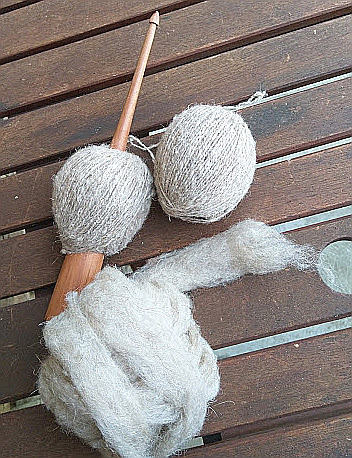 he roving was soft and lofty, but with some coarser guard hairs in it, and quite easy to spin. That’s taking into account the usual droppage. Someone “allergic” to wool – or rather the prickle factor – would probably not appreciate this one but I’m already thinking of how I can incorporate the yarn into a beanie.
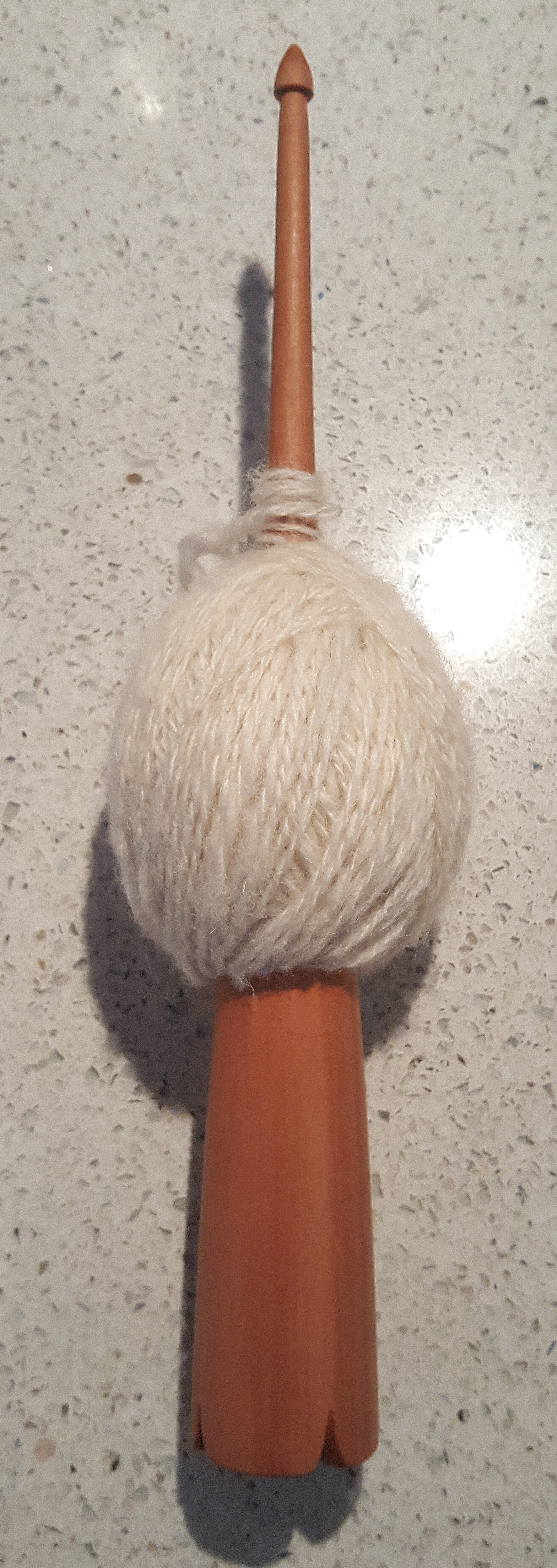
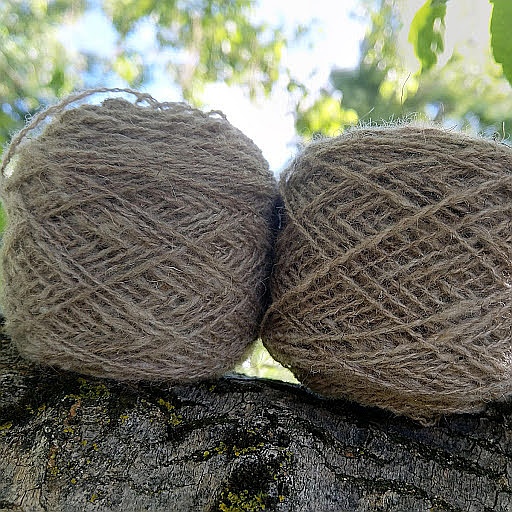 side end. I’ve also found that centre-pull balls/eggs etc from a drop spindle usually don’t work, even if turn them on a ball-winder. Oh well, at least you end up with a couple of egg-shaped cops that don’t need to be wound round a tennis ball before plying.
 Well, maybe not, but I’ve got one.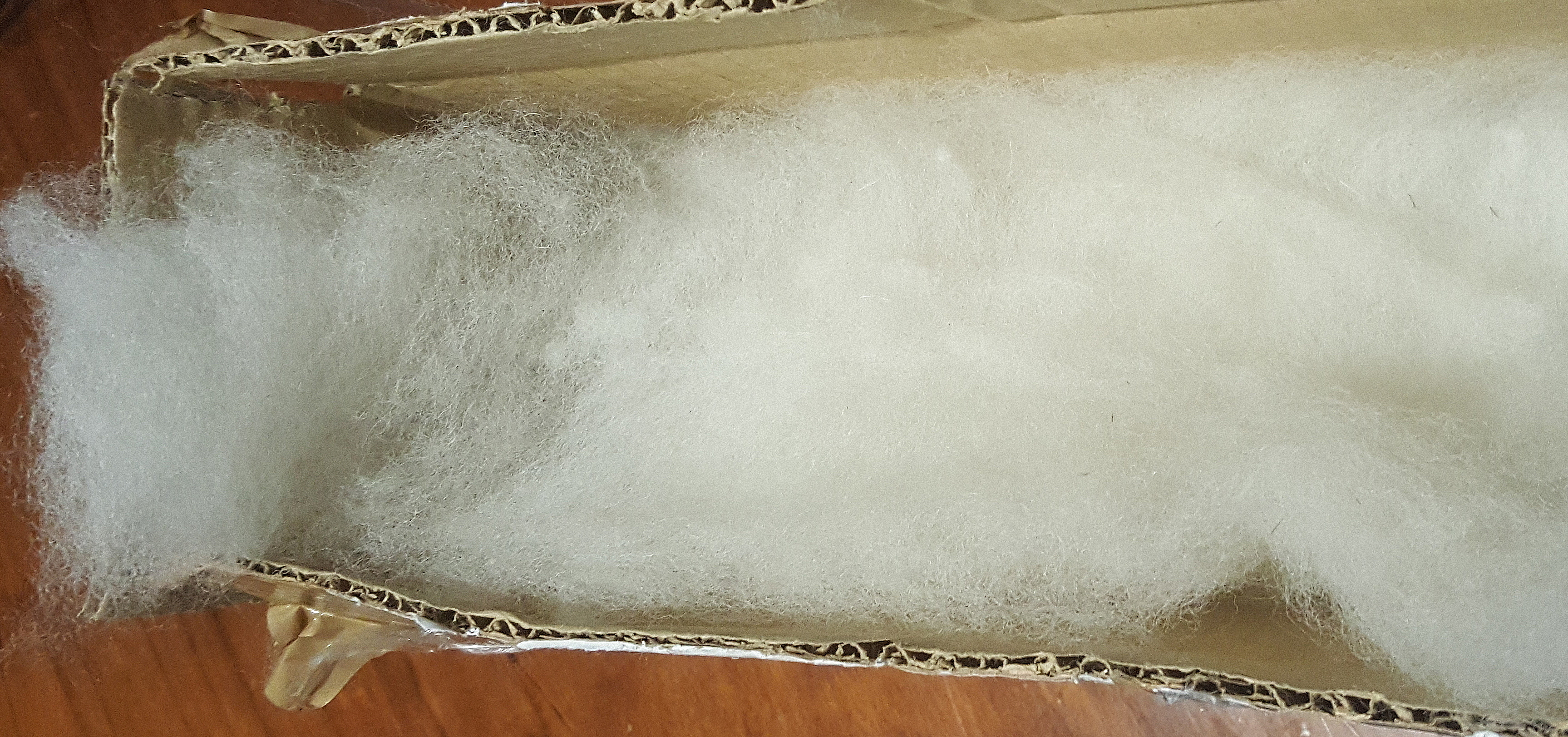
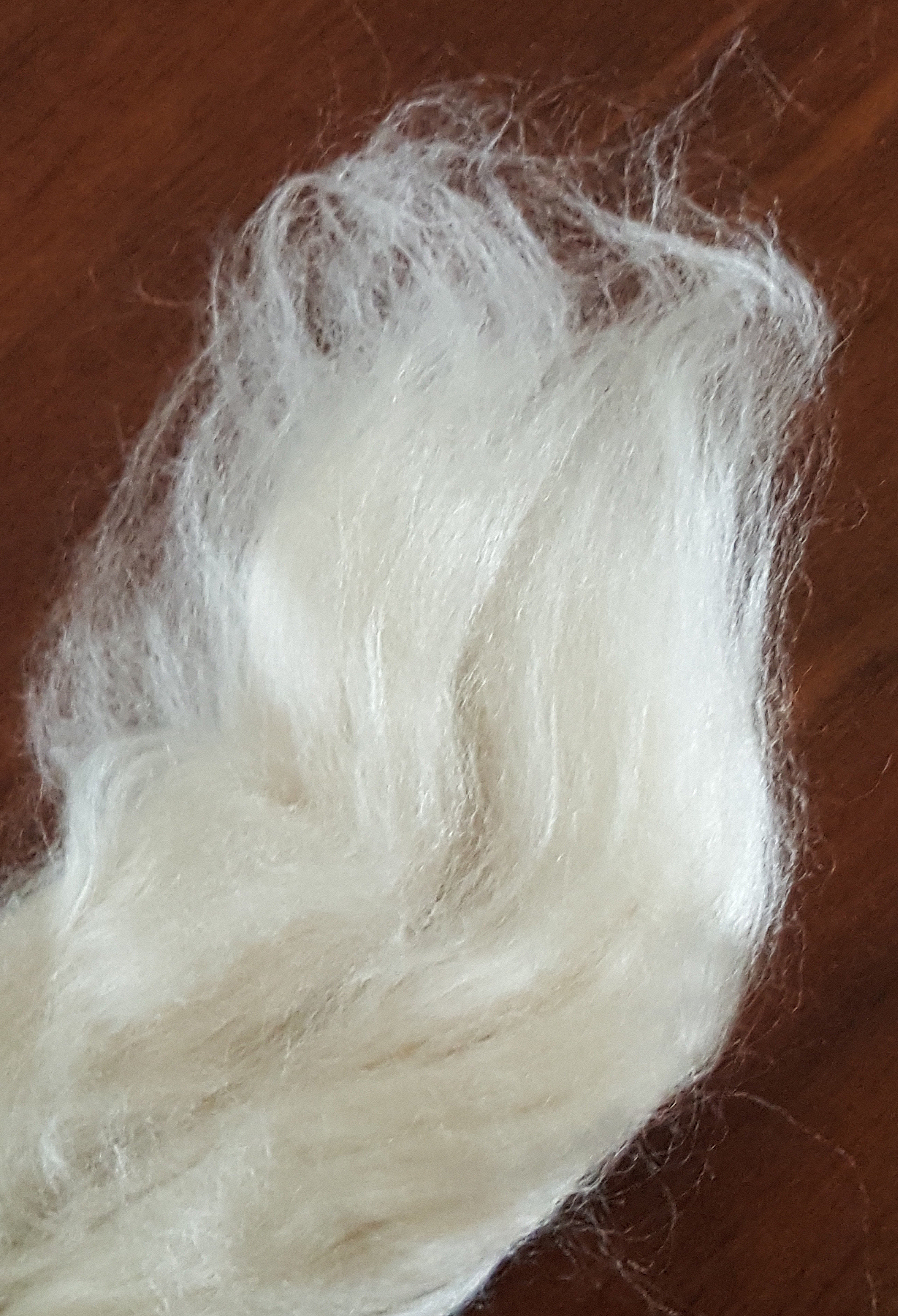 Although there’s still plenty of fibre in the stash, I had to try this. Just believe the ads when they say that it doesn’t actually smell of mint.
 , clingy things from past decades, or the fabric seller in Ecuador who once tried to flog me some as “silk” then after a nonchalant stare from me, added “seda de rayón…”
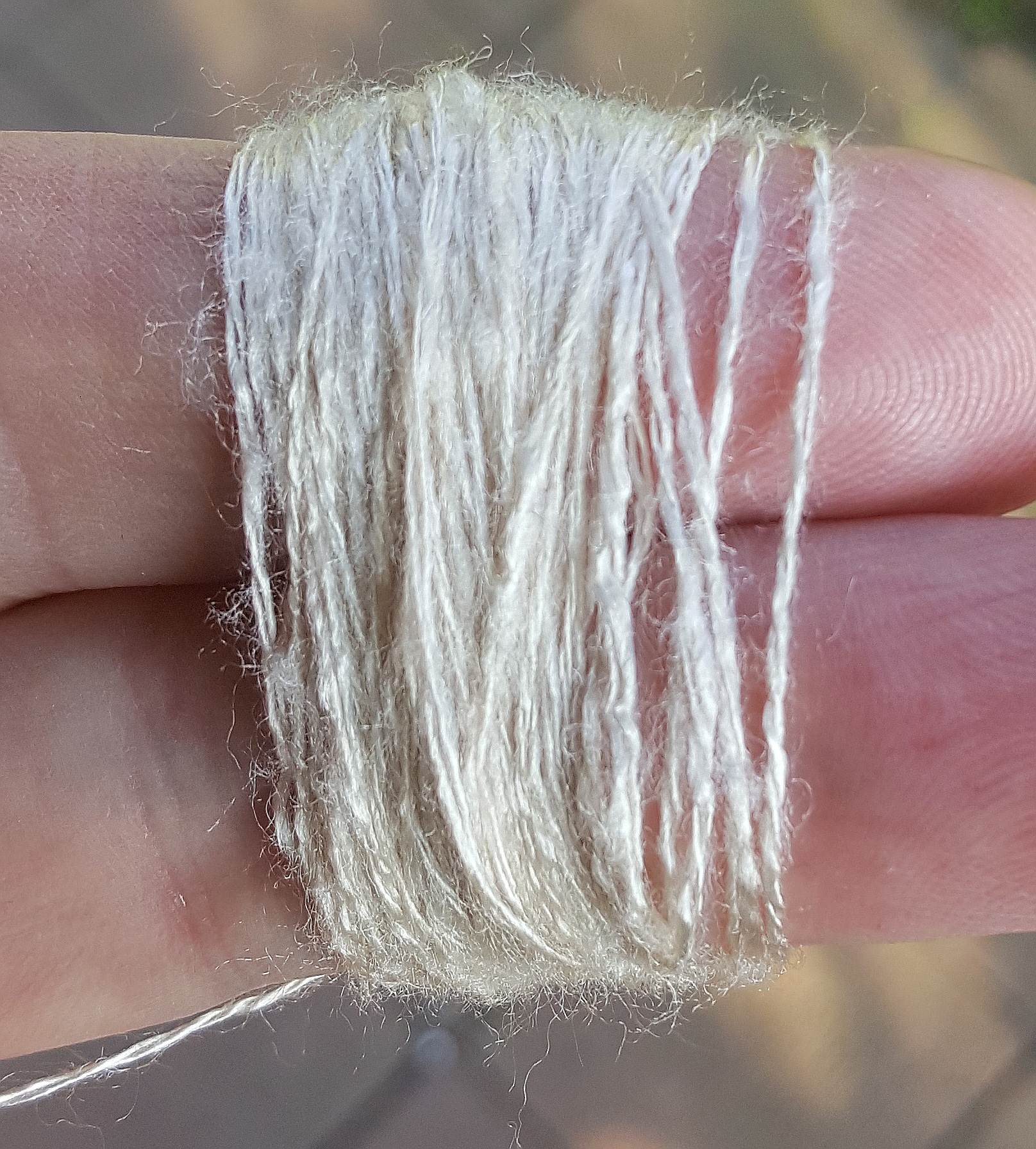 he soysilk (and it was a few years ago) had more drape and less loft. The mint fibre, however, opened itself from the tops and spun finely with no great difficulty. The yarn actually has some stretch to it, too, quite a bit. I haven’t made anything with it yet, or tried dyeing it, but will see how it goes as weft. It certainly has the look and feel of silk. I reckon the fibre would blend well with wool, too.
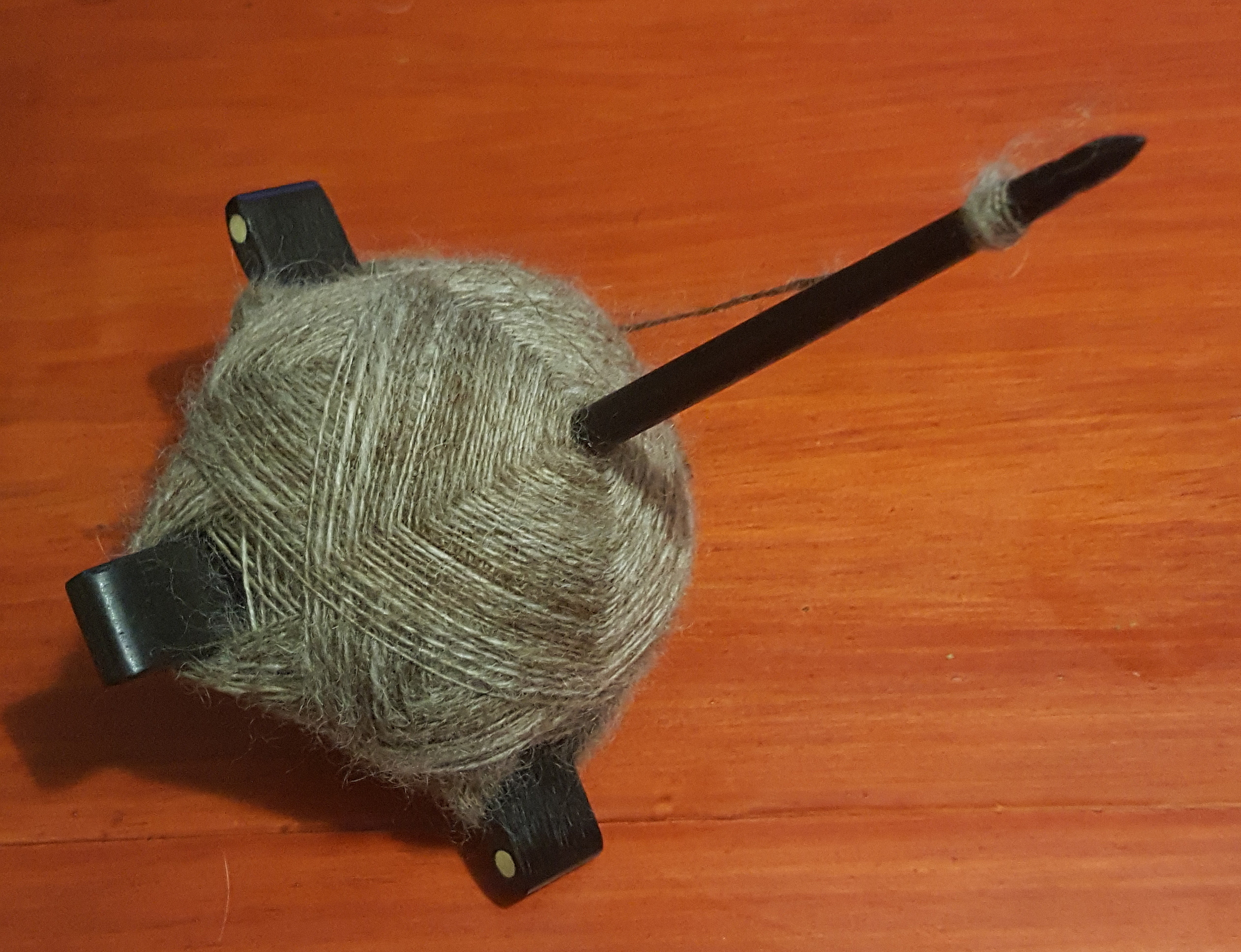 of my recent holiday in England were all fibre-related. I bought small Turkish spindle from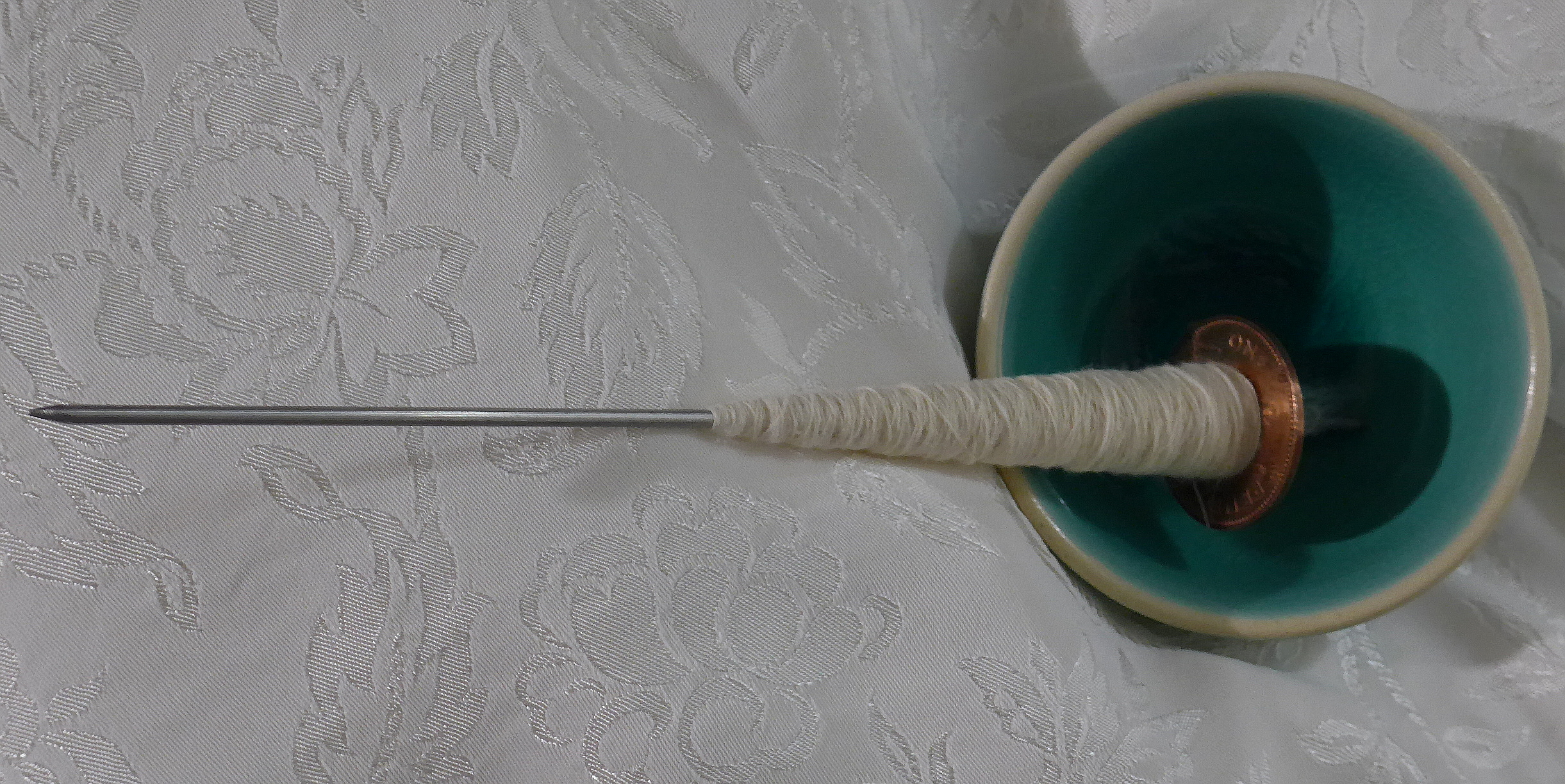
 Hedgerow weaver