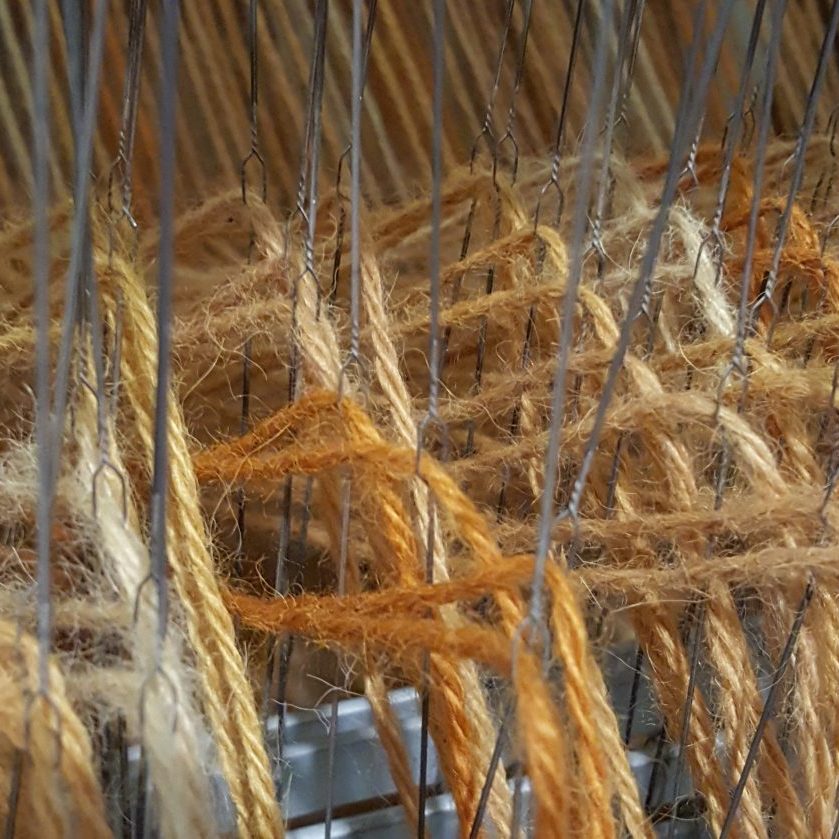
fibres de perle et de rose, Perlen- u. Rosenfaser, fibras de perla y rosa, snáithíní péarla is rós
It was rose fibre that initiated this blog, or rather the lack of information about it on the internet. Wondering why nobody had written anything led me quickly to the conclusion that someone has to be first, of course. That was a few years ago and there is now more information on this and other regenerated fibres (cellulose-based) to be found. While the pearl fibre is described by most sources as “pearl-infused cellulose fibre”, there doesn’t however appear to be any clear description of the rose, i.e. are the fibres chewed up, spat out and spun bamboo-style, or is the process more along the lines of “infused”?
So why has it taken me so long to write anything myself? I mislaid the 100g of rose fibre that was part of a birthday present and didn’t want to buy any more in the meantime. I since have both bought more and found the original – more to play with!
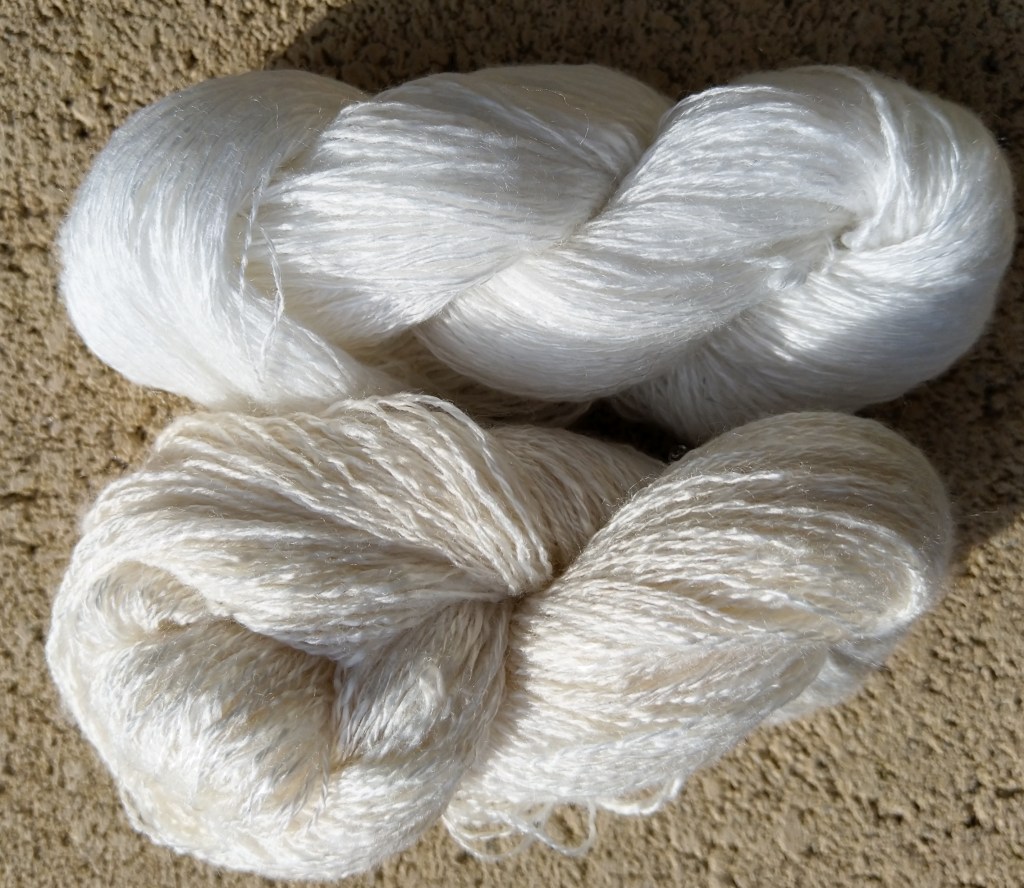
The rose fibre is very silky and slippery and spins into a a soft yarn with plenty of shimmer and drape. The second lot of fibre produced a yarn that was also a little golden in colour a bit like tussah compared to mulberry. The first is a lot whiter. It was bought from one of my favourite shops, but at a time when they seemed to have changed ownership; I wasn’t happy with several parts of the order, but as none of it was fondled/spun for some time, it was too late to return. I just hope that the original is indeed rose. Fun to spin with, anyway, and the feel is the same. And the shop? The current owners are fantastic and provide top customer service, ’nuff said.
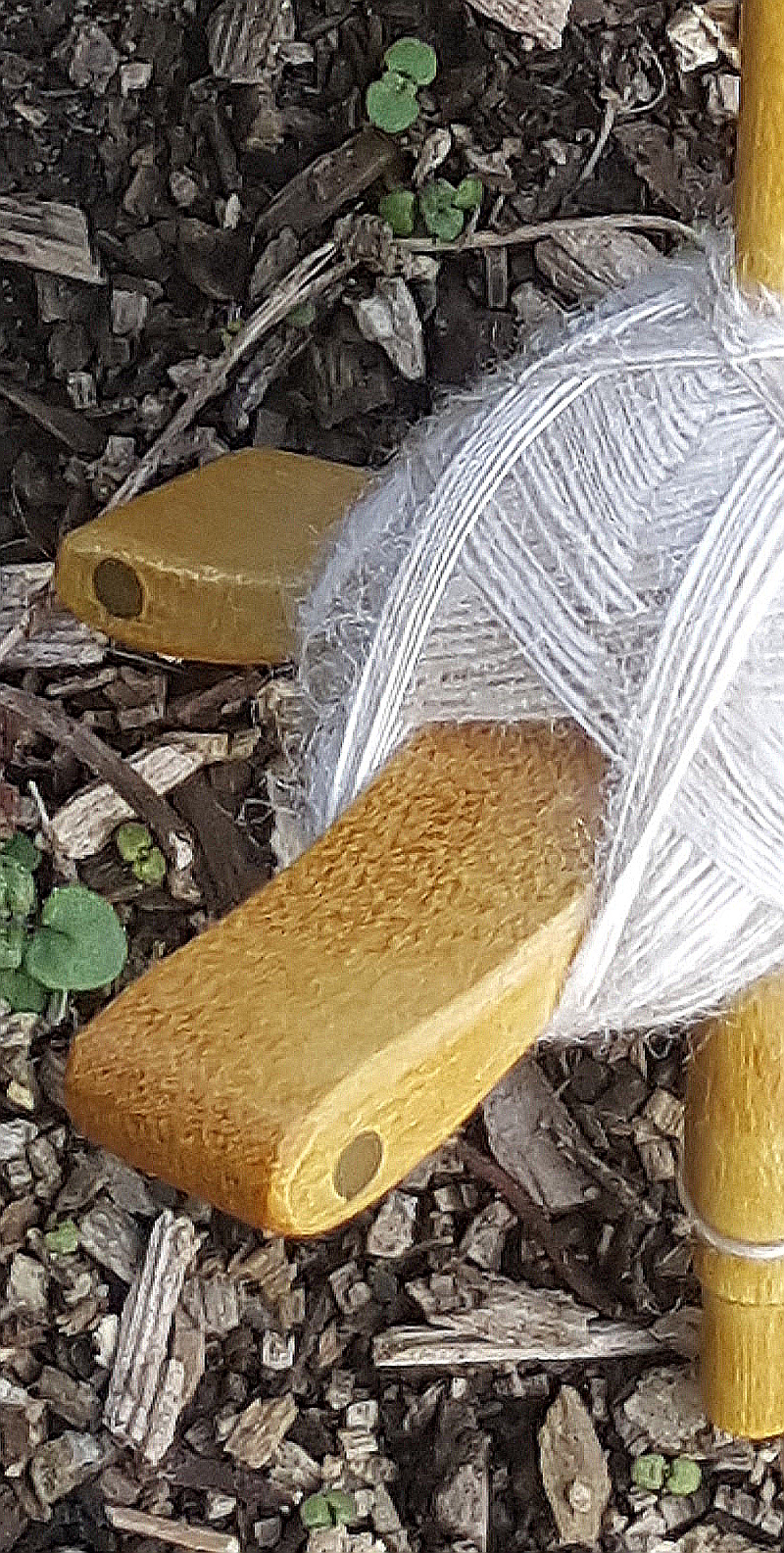
The pearl fibre has a more cotton-like feel and appearance. It affords slightly more grip, so would be easier for a beginner. The yarn is soft, but not as sleek, and doesn’t reflect the light as much. Still worth having/using? Certainly! Both yarns were spun on a 15g Turkish spindle and plied on a larger one.
As with other regenerated fibres, I reckon both would blend well with natural fibres on a pair of carders. Depending on where they’re purchased, they can cost significantly less than silk, with the rose especially offering a similar effect and feel. My intended use? Watch this space (but don’t hold your breath)…
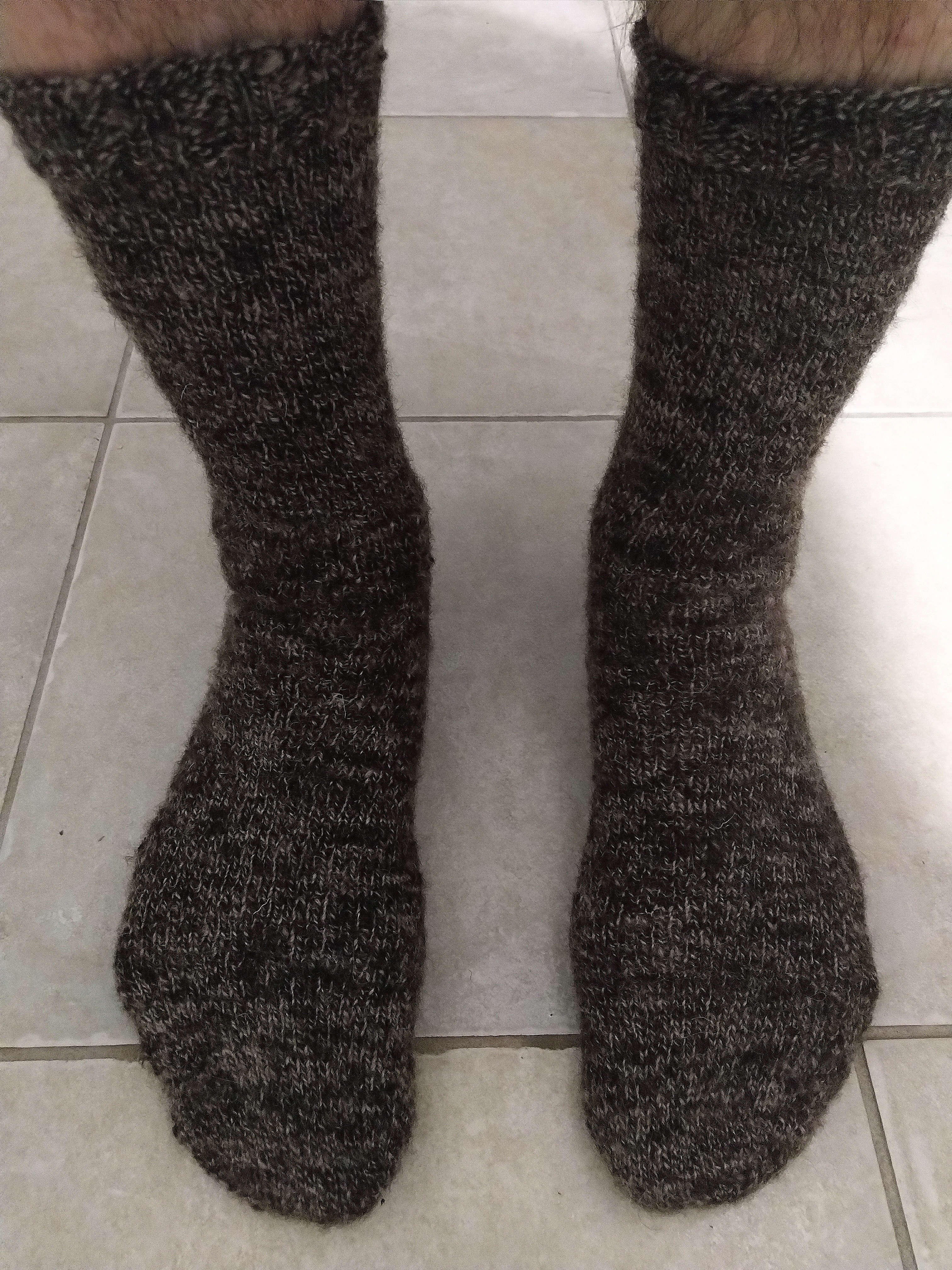
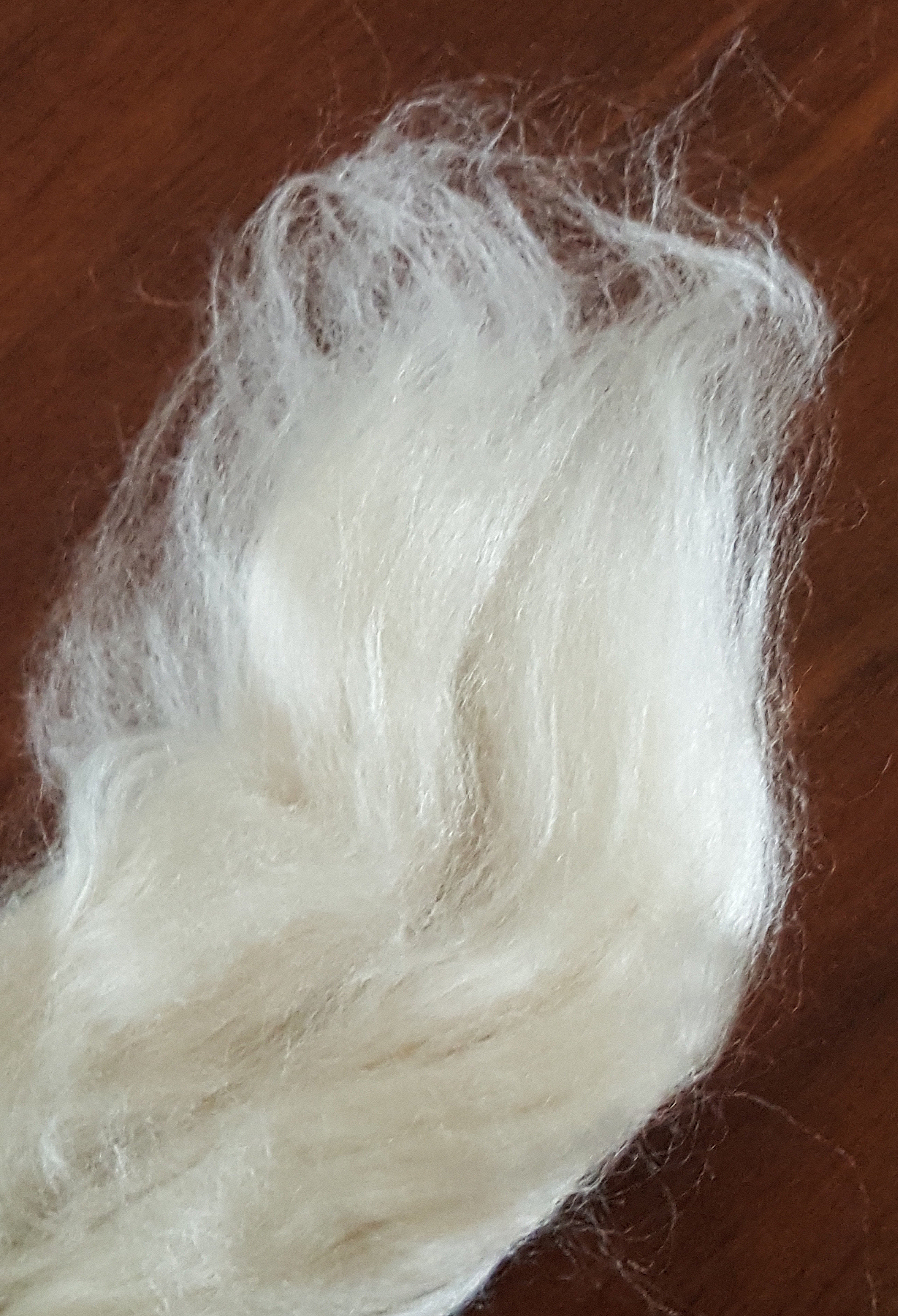 Although there’s still plenty of fibre in the stash, I had to try this. Just believe the ads when they say that it doesn’t actually smell of mint.
 , clingy things from past decades, or the fabric seller in Ecuador who once tried to flog me some as “silk” then after a nonchalant stare from me, added “seda de rayón…”
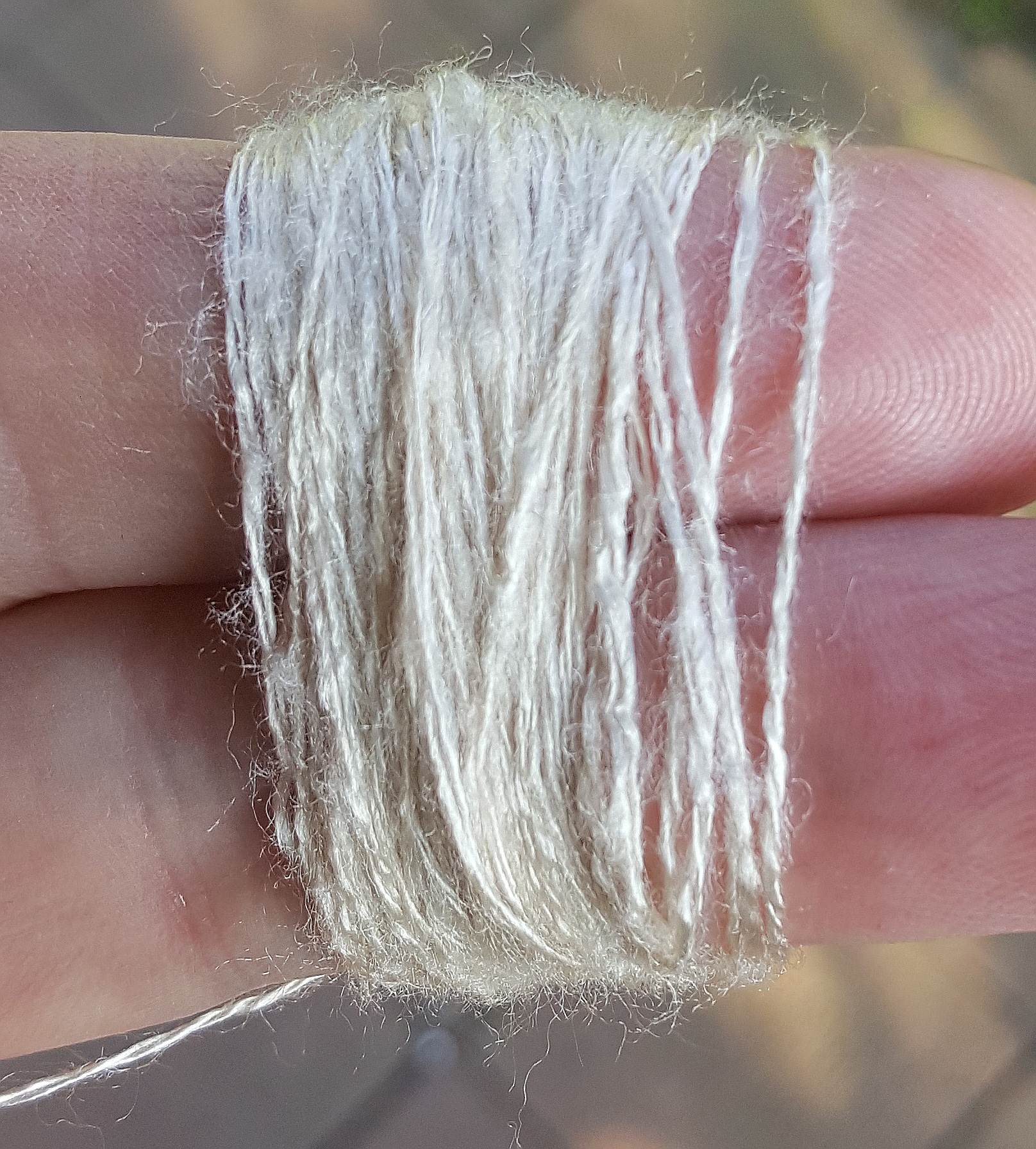 he soysilk (and it was a few years ago) had more drape and less loft. The mint fibre, however, opened itself from the tops and spun finely with no great difficulty. The yarn actually has some stretch to it, too, quite a bit. I haven’t made anything with it yet, or tried dyeing it, but will see how it goes as weft. It certainly has the look and feel of silk. I reckon the fibre would blend well with wool, too.
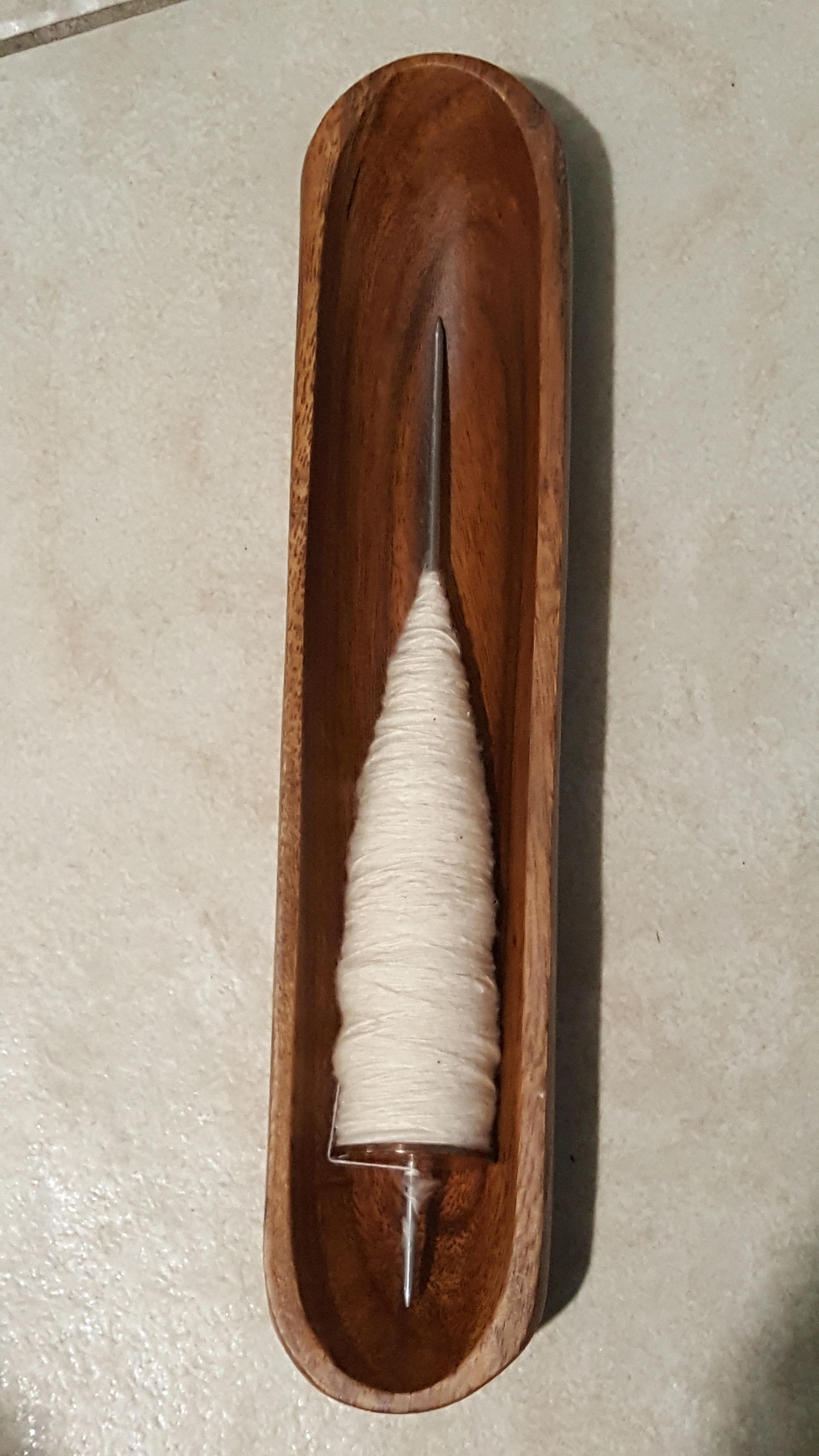 pun. Perhaps it was waiting the arrival of the penny tahkli? I wanted to get some slubbiness to the yarn, so left lumps and bumps in it at regular intervals. The trouble is, more practice = less character to the yarn. During a recent alpaca spinning workshop at the Guild, I quoted the English comedian Les Dawson and his signature act of playing the piano with carefully placed “wrong” notes. He explained during an interview that you had to be good at playing the piano before you could be intentionally bad. In spinning terms, I guess that explains the difference between a beginner’s yarn and an art yarn. Nevertheless, yours truly shall continue to practise being intentionally bad.
 Hedgerow weaver