Capsicum pubescens, piment rocoto, Rocoto, manzano, chili úll geal
There’s no doubting the botanical name, but after that things become a little debatable… Some sources hold that manazano and rocoto chillies are the same, whereas others state that they are different varieties of the same species. Are manzanos the squatter ones and rocotos the longer ones? Either way, the ones I’m growing are yellow. One thing that is definite: although they grow on a large shrub, they aren’t “chile de árbol”.
What makes these different to other chillies I’ve grown are that 1. they’re perennial, 2. they grow on a large shrub 3. the type of heat and 4. their preference for the cooler weather.

I bought a plant a few years ago, and it never came to much, even when I put it in the shade house. It grw tall, but not bushy, and produced a solitary, small fruit. Persistence has paid off, as well as planting them (I grew another from a cutting) down the side of the house which is shadier.
Trying a green one – the first that came to any size – there was no spice to be had. Ni nada. Then, a few weeks later, they started turning yellow. It was as though I could feel the heat enveloping my fingers when I cut into one. Tasting it produced a look of, “Ayayay! These ones are HOT, mamacita!” apparently. I think that would sum up the feeling of total mouth burn.
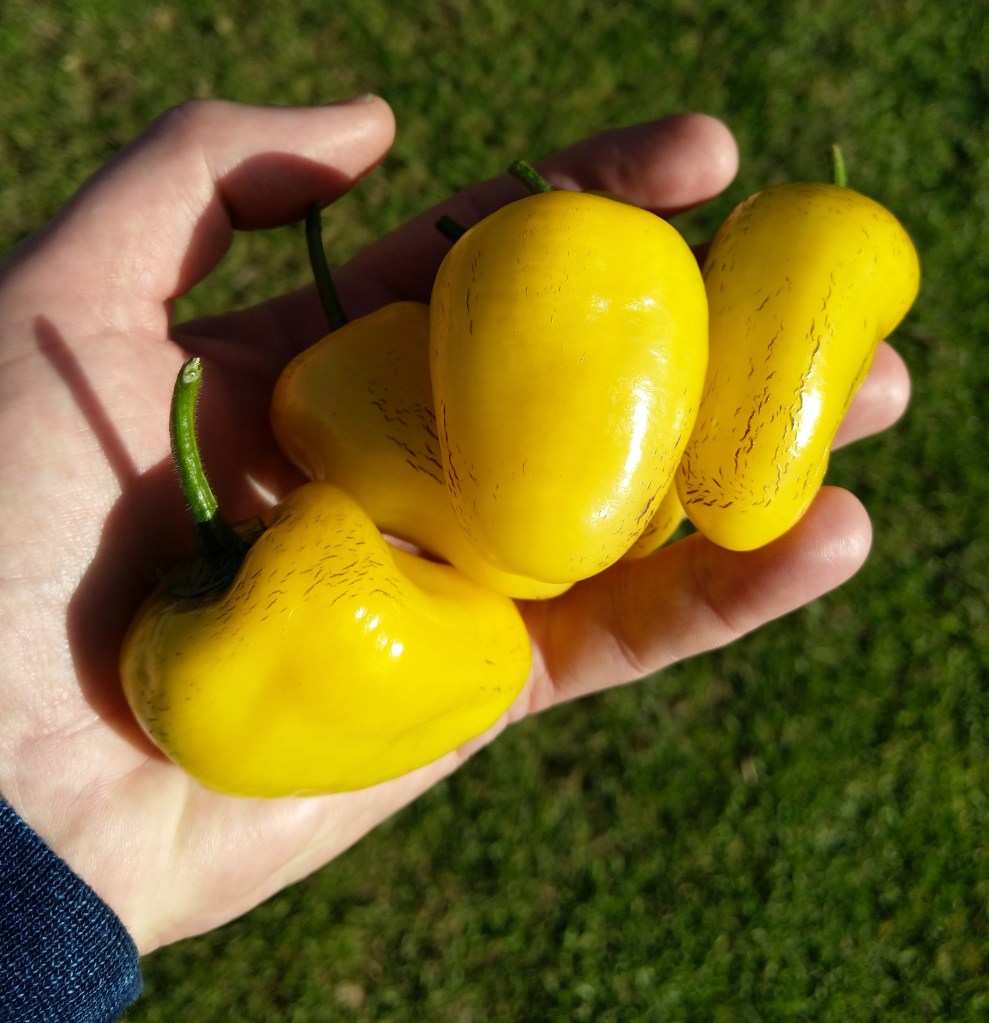
Yes, a different type of heat that doesn’t just affect the part of the tongue that comes into contact with the fruit, but the whole mouth cavity. One alone in a feijoada was enough to provide spiciness without feeling you were eating a mutant vindaloo. And no five-minute tears, either. Yep, I like my spice, but not chilihead contest levels.
The seeds are very dark and the walls of the fruit are quite thick; I read that they are difficult to dry. These will be sliced and de-seeded, then frozen for later use.
re the spelling… I’ve left chilihead with one ‘l not because it’s Christmas, but I believe the expression came from that side of the Atlantic. Also, the Irish name is my invention. As always, I’m open (gratefully) to correction.
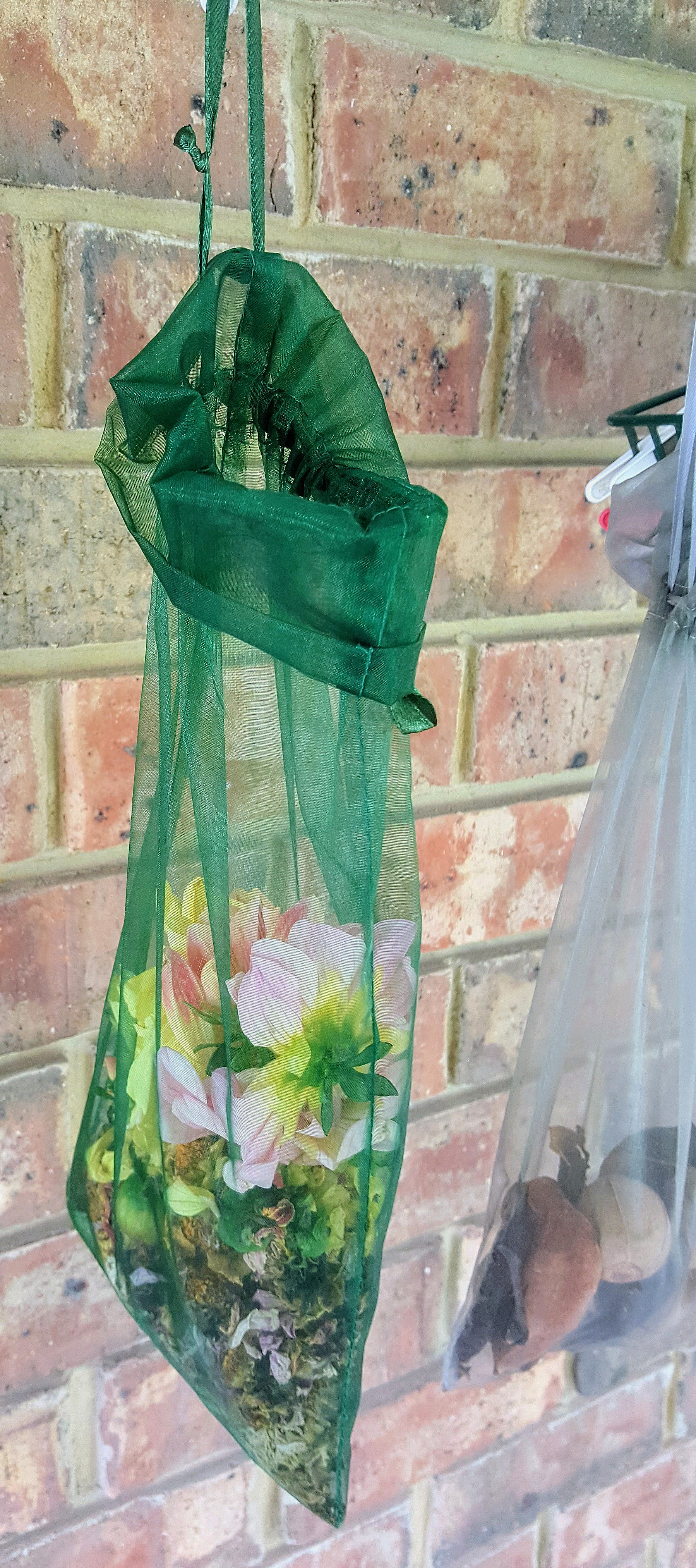 a good half-dozen.
 , they too can go into a wine bag. This is only practical in summer, where they can dry within a day; in winter the tree dahlia heads go mouldy when piled into a bag.
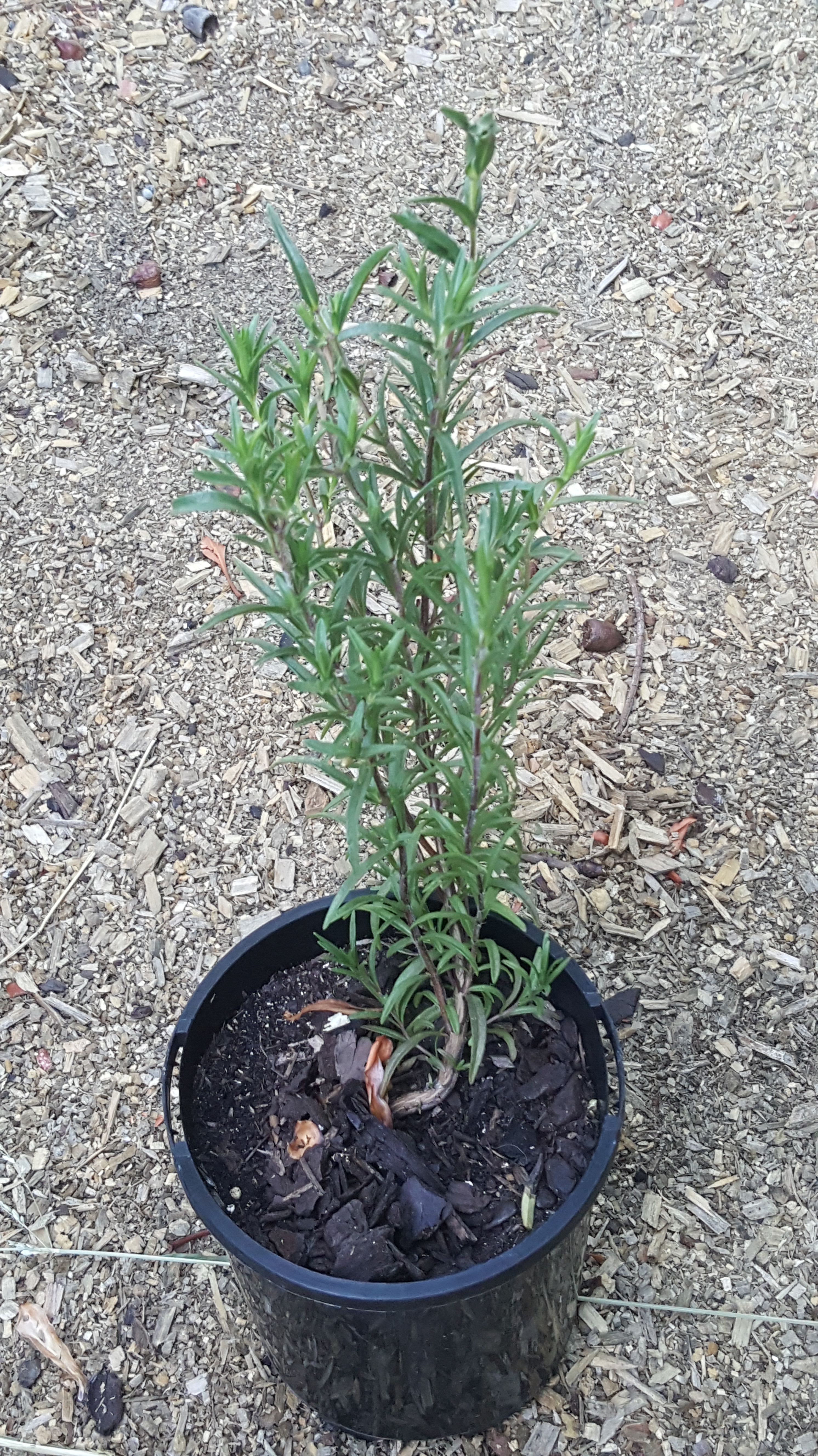 I originally came across this plant in Rodale’s Illustrated Encyclopedia of Herbs many moons ago, and after the internet took off, started searching for it high and low. I was very kindly sent a small cutting by an interstate nursery with an order, but one day of typical Adelaide summer weather put pay to that. Then a couple of years ago, I was able to order a couple of packets of seeds from a US nursery. This was after waiting for
 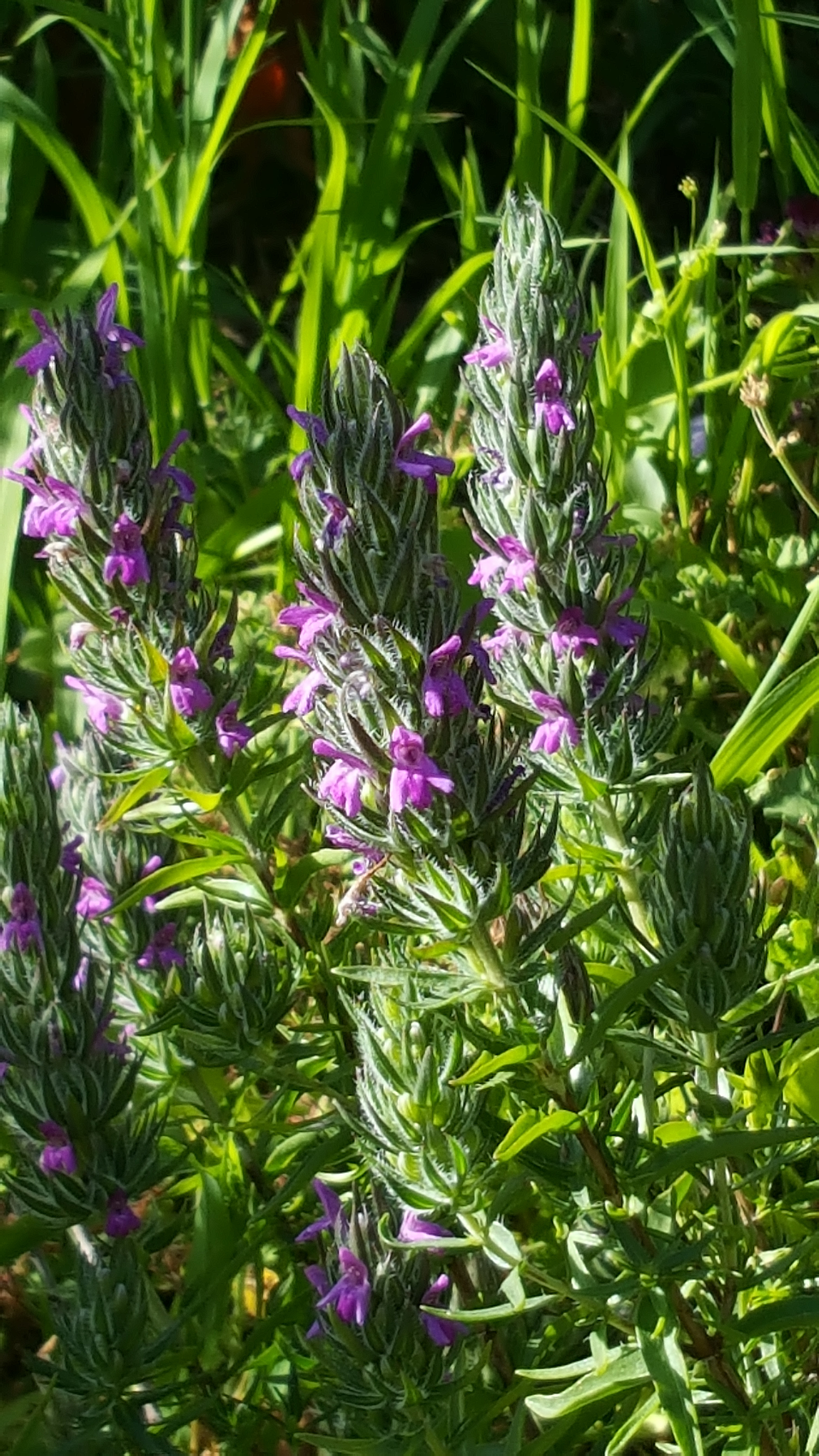 , but it produced enough seeds for me to grow a second run this year (which was good as I’d misplaced the packets). This time I thought more about the conditions it would need: a plant from mountains in the Mediterranean and Middle East… The seeds were sown on top of potting compost with a thin covering of vermiculite.
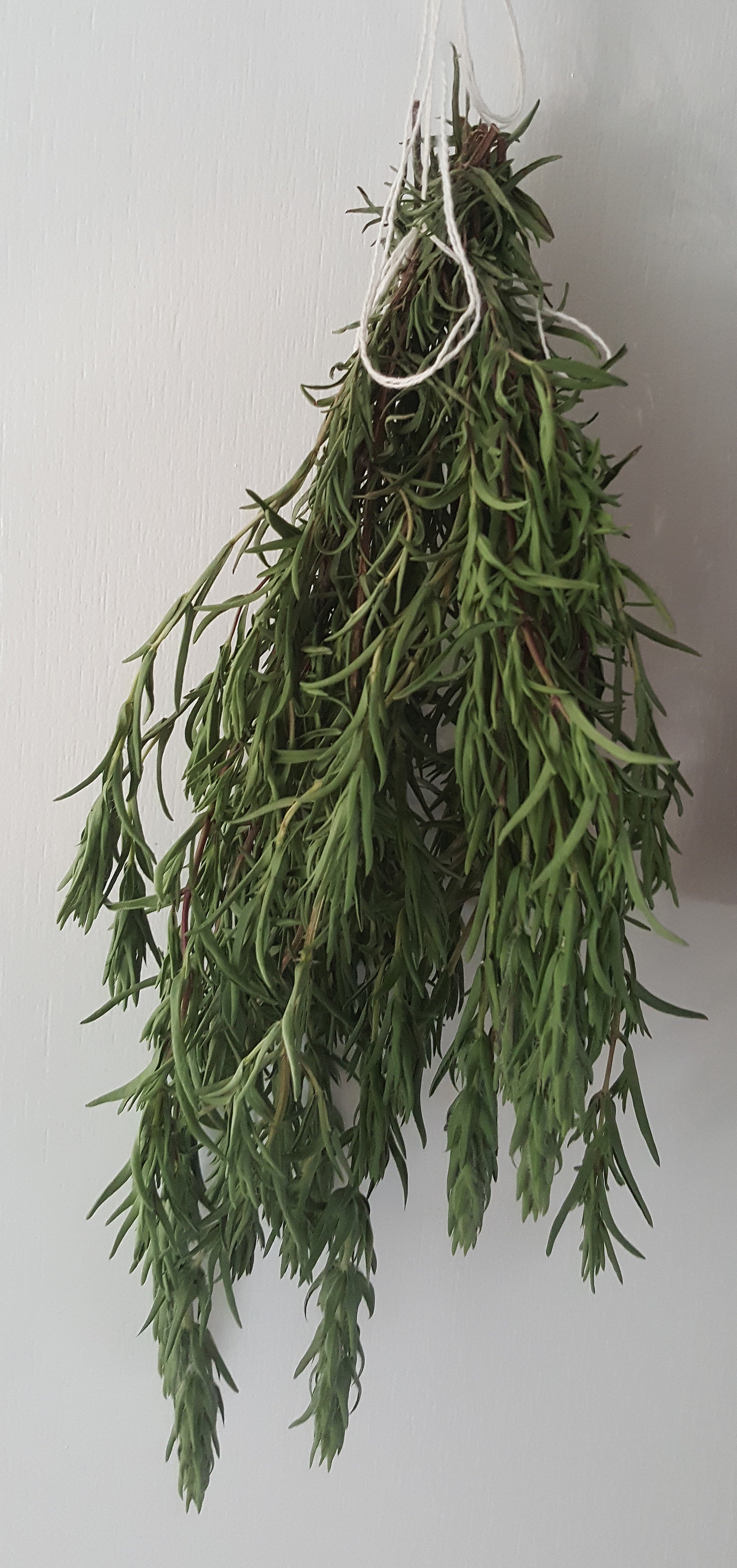 So, what’s it used for? There’s zatar (funny, that) – the spicy mixture for dipping bread (after a dip in olive oil), and no doubt any other recipe that calls for some herbal zip. I’ve asked a number of acquaintances from the Middle East what they would use it for, but they tell me that za’atar is thyme, or Syrian oregano. It could be any one of a number of plants, including Satureja. I guess it depends where you’re from and what herb is locally available to give that spicy-herby flavour.
 Hedgerow weaver